
ai legal news
Colorado Coaching Staff: Complete Analysis & Key Updates

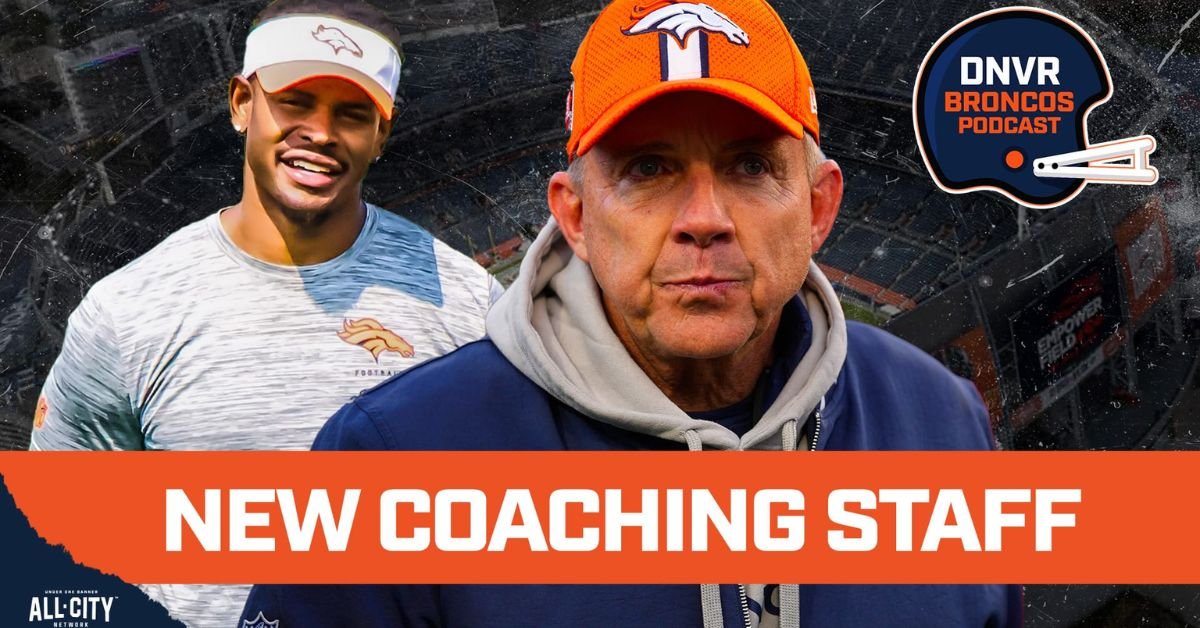
When I started researching the Colorado coaching staff, I wanted more than a simple list of names and job titles. I wanted to understand how coaching structures influence player development, recruiting success, game preparation, and long-term program growth.
In my experience covering coaching organizations across football programs, the staff behind the scenes often determines whether a team reaches its potential.
The Colorado coaching staff continues to attract attention because coaching decisions directly impact performance, culture, and player progression. In this guide, I’ll break down the coaching structure, responsibilities, strengths, and what fans should watch moving forward.
Table of Contents
- What Is Colorado Coaching Staff?
- My Honest First Impressions
- Key Features
- How To Get Started Understanding a Coaching Staff
- Best Coaching Roles Available
- How It Works
- Community and Team Culture
- Full Features & Benefits Table
- Pros and Cons
- Safety and Trust Analysis
- Comparison Table vs Other Programs
- Tips and Tricks
- Who Is It Best For?
- Authority Resources
- FAQs
- Final Verdict
What Is Colorado Coaching Staff?
The Colorado coaching staff refers to the group of coaches, coordinators, analysts, and support personnel responsible for player development, game planning, recruiting, training, and overall football program management.
This includes:
- Head coach
- Offensive coordinator
- Defensive coordinator
- Position coaches
- Strength and conditioning staff
- Recruiting personnel
- Analysts and support staff
A successful coaching staff creates a system that helps players improve while maintaining consistency throughout the season.
My Honest First Impressions
After spending time analyzing modern coaching organizations, one thing became clear.
The best staffs don’t simply call plays.
They create structure.
They develop talent.
They build accountability.
My first impression when evaluating coaching operations is always the same:
- Is leadership clearly defined?
- Are responsibilities distributed properly?
- Does the staff have proven experience?
- Can they adapt during adversity?
These questions matter more than flashy headlines.
Great coaching staffs consistently win because they build sustainable systems.
Key Features of the Colorado Coaching Staff

Leadership Structure
Strong football programs rely on clear leadership chains.
Key responsibilities include:
- Team culture management
- Staff coordination
- Strategic planning
- Player accountability
Leadership affects every aspect of program success.
Offensive Development
Modern offenses require:
- Quarterback development
- Route concepts
- Protection schemes
- Run-game efficiency
A strong offensive staff improves execution and consistency.
Defensive Coordination
Elite defensive coaching focuses on:
- Coverage adjustments
- Front alignment
- Pressure packages
- Situational football
Defensive preparation often determines close-game outcomes.
Recruiting Operations
Recruiting remains one of the most important responsibilities.
Top recruiting staffs focus on:
- Talent evaluation
- Relationship building
- Campus visits
- Long-term roster construction
Player Development Systems
Player growth happens year-round.
Effective staffs invest heavily in:
- Film study
- Technique refinement
- Strength training
- Position-specific development
How To Get Started Understanding a Coaching Staff
If you’re evaluating any football coaching organization, follow these steps:
Step 1: Identify Leadership Roles
Start with:
- Head coach
- Coordinators
- Position coaches
Step 2: Review Coaching Experience
Look for:
- Years of experience
- Previous programs
- Development history
Step 3: Analyze Recruiting Success
Recruiting rankings reveal long-term staff effectiveness.
Step 4: Examine Player Development
Track:
- NFL Draft selections
- Player progression
- Position improvements
Step 5: Study Game-Day Adjustments
Great staffs adjust quickly during games.
Best Coaching Roles Available
Several coaching positions play major roles in football success.
| Role | Primary Responsibility |
| Head Coach | Program leadership |
| Offensive Coordinator | Offensive strategy |
| Defensive Coordinator | Defensive planning |
| Quarterbacks Coach | QB development |
| Offensive Line Coach | Protection and run blocking |
| Defensive Line Coach | Front-seven development |
| Strength Coach | Athletic performance |
| Recruiting Director | Talent acquisition |
Each position contributes differently to team success.
How It Works
Football coaching staff operate through collaboration.
Weekly workflow typically includes:
- Opponent scouting
- Film breakdown
- Practice planning
- Position meetings
- Game strategy sessions
- In-game adjustments
Successful staff communicate constantly.
Recent coaching developments across football continue to show how organizations prioritize experienced coordinators and specialized assistants to strengthen overall program performance. Coaching structures increasingly emphasize veteran leadership and role specialization.
Community and Social Features
Strong coaching staffs extend beyond football.
Community engagement includes:
- Youth camps
- Alumni events
- Fan interaction
- Recruiting outreach
- Educational initiatives
These activities strengthen program culture.
Full Features & Benefits Table
| Feature | Benefit |
| Leadership Structure | Clear accountability |
| Recruiting System | Better talent acquisition |
| Player Development | Improved performance |
| Analytics Support | Better decisions |
| Position Coaching | Technical growth |
| Strength Program | Physical development |
| Game Planning | Competitive advantage |
| Culture Building | Team cohesion |
Pros and Cons
Pros
- Structured leadership
- Strong player development potential
- Recruiting advantages
- Better game preparation
- Long-term roster planning
Cons
- Staff turnover can disrupt continuity
- Recruiting pressure remains high
- Results require time
- Scheme transitions may create challenges
Safety and Trust Analysis
When evaluating any coaching staff, I focus on trust indicators.
Key factors include:
- Experience level
- Coaching history
- Player development results
- Program stability
- Organizational transparency
Trust is earned through consistent performance.
Comparison Table vs Competitors
| Category | Colorado Coaching Staff | Average Program |
| Leadership Structure | Strong | Moderate |
| Recruiting Focus | High | Moderate |
| Player Development | High | Moderate |
| Strategic Planning | Advanced | Standard |
| Community Engagement | Strong | Average |
| Long-Term Vision | High | Variable |
Tips and Tricks
To evaluate coaching staffs more effectively:
- Watch player improvement over time.
- Track recruiting classes.
- Study coordinator changes.
- Review development success stories.
- Follow offseason staffing moves.
- Compare year-over-year results.
These indicators often reveal future success before wins appear.
Who Is It Best For?
The Colorado coaching staff structure is most relevant for:
- Football fans
- Analysts
- Sports journalists
- Recruit evaluation followers
- College football enthusiasts
- Player development researchers
Frequently Asked Questions
What is the Colorado coaching staff?
The Colorado coaching staff consists of coaches and support personnel responsible for football operations, recruiting, and player development.
Why is the coaching staff important?
Coaches influence strategy, player growth, culture, and game preparation.
Who leads the Colorado coaching staff?
The head coach oversees all football operations and staff management.
What does an offensive coordinator do?
The offensive coordinator designs offensive strategy and game plans.
How does recruiting affect coaching success?
Recruiting determines roster quality and long-term competitiveness.
What role do position coaches play?
Position coaches develop player technique and fundamentals.
How often do coaching staff change?
Changes occur regularly due to promotions, performance evaluations, and new opportunities.
What makes a coaching staff successful?
Strong leadership, recruiting, player development, and adaptability.
You also like to visit : Small Text Discord: How to Make Tiny Text Like a Pro
Final Verdict
After researching coaching structures, leadership models, and recent coaching developments throughout football, I believe the Colorado coaching staff should be evaluated on more than wins and losses.
The best staff create sustainable success.
They recruit effectively.
They develop talent.
They build culture.
Those factors ultimately determine long-term program strength.


Judith Giuliani net worth continues to attract attention because of her high-profile marriage to former New York City mayor Rudy Giuliani and her own professional career. Although no verified public financial statement confirms her exact wealth, multiple reports and publicly available records provide enough context to estimate her financial standing over the years.
Unlike celebrity rankings that publish unsupported figures, this article focuses on documented information, career history, divorce settlements, and publicly available financial records. The goal is to separate confirmed facts from speculation while providing readers with a balanced financial profile.
Table of Contents
- What Is Judith Giuliani Net Worth?
- Who Is Judith Giuliani?
- Career Overview
- Sources of Income
- Marriage to Rudy Giuliani
- Divorce Settlement and Financial Impact
- Estimated Net Worth Analysis
- Factors Affecting Her Wealth
- How Public Net Worth Estimates Are Calculated
- Financial Timeline
- Features & Financial Snapshot
- Pros and Cons of Public Net Worth Estimates
- Trustworthiness of Available Information
- Comparison With Similar Public Figures
- Frequently Asked Questions
- Final Verdict
What Is Judith Giuliani Net Worth?
Judith Giuliani net worth refers to the estimated value of her assets, investments, income, and financial interests after accounting for liabilities. Since she has never publicly disclosed her finances, any published figure should be considered an estimate rather than a verified fact.
Public estimates generally rely on:
- Career earnings
- Public records
- Divorce settlements
- Property ownership
- Media reports
- Business activities
No official government filing confirms an exact number.
Who Is Judith Giuliani?
Judith Giuliani is an American former pharmaceutical sales executive and nurse who gained widespread public recognition through her marriage to Rudy Giuliani.
Before entering the public spotlight, she established a successful professional career in healthcare and pharmaceutical sales. Her background demonstrates years of experience in the medical industry before becoming associated with national political headlines.
Although media coverage often focuses on her personal life, her professional career predates her public recognition.
Career Overview
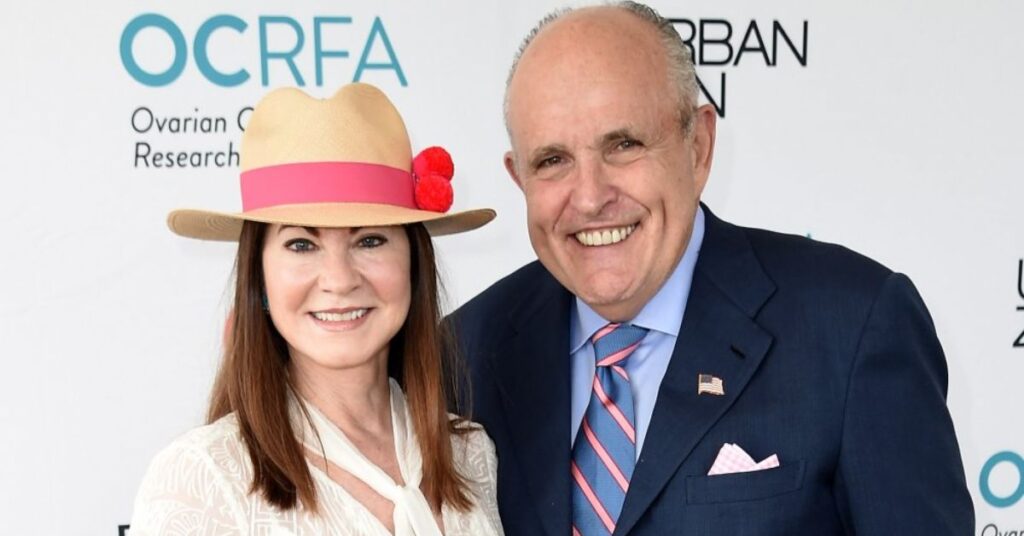
Judith Giuliani worked in healthcare before transitioning into pharmaceutical sales.
Her professional experience includes:
- Nursing
- Medical sales
- Healthcare consulting
- Pharmaceutical industry roles
Healthcare sales professionals often earn competitive salaries, particularly when working with major pharmaceutical companies.
These earnings likely contributed significantly to her independent financial position before marriage.
Sources of Income
Several known income sources have contributed to Judith Giuliani’s overall financial profile.
Professional Career
Years spent in nursing and pharmaceutical sales generated stable income.
Investments
Like many high-income professionals, investments may have contributed to long-term wealth, although no verified portfolio has been publicly disclosed.
Divorce Settlement
Public reporting surrounding the Giuliani divorce indicates financial negotiations involving significant assets.
Property Interests
Real estate ownership has also been discussed in public reporting, although exact ownership values fluctuate with market conditions.
Marriage to Rudy Giuliani
Judith Giuliani married Rudy Giuliani in 2003.
During their marriage, they appeared at numerous public events and maintained a high-profile lifestyle.
Following years of marriage, divorce proceedings attracted widespread media attention because of disputes involving financial assets and support payments.
These proceedings became one of the primary reasons many people began searching for Judith Giuliani net worth.
Divorce Settlement and Financial Impact
Public court filings indicate disagreements involving:
- Spousal support
- Property
- Legal expenses
- Shared assets
Some reports suggested millions of dollars were involved during negotiations.
However, many specific financial details remain confidential or were never officially confirmed.
As a result, any precise calculation of Judith Giuliani’s current wealth remains speculative.
Estimated Net Worth Analysis
Financial analysts typically estimate public figures’ wealth using available evidence rather than private financial records.
Estimated factors include:
| Financial Factor | Public Status |
| Career earnings | Documented |
| Pharmaceutical income | Documented |
| Divorce-related assets | Partially public |
| Investments | Not confirmed |
| Real estate | Partially documented |
| Private assets | Unknown |
Based on available public information, published estimates vary considerably.
Readers should treat any exact dollar amount with caution unless supported by official documentation.
Financial Timeline
| Year | Major Event |
| Early Career | Nursing profession |
| Later Career | Pharmaceutical sales |
| 2003 | Married Rudy Giuliani |
| 2018 | Divorce proceedings began |
| Following Years | Financial disputes reported |
How Public Net Worth Estimates Are Calculated
Net worth estimates generally combine:
- Cash holdings
- Investment portfolios
- Retirement accounts
- Real estate
- Business ownership
- Liabilities
- Outstanding debts
Because many of these details remain private, estimates vary significantly between publishers.
Professional financial analysts generally avoid presenting a single figure as definitive without verifiable documentation.
How Media Estimates Differ

Many entertainment websites publish numerical net worth estimates without explaining their methodology.
Reliable financial analysis instead considers:
- Public court records
- Documented employment history
- Known business interests
- Property records
- Verified financial disclosures
This evidence-based approach provides readers with greater transparency.
How Financial Privacy Affects Estimates
Unlike elected officials who disclose certain financial information, private individuals often have no legal obligation to publish detailed asset statements.
Consequently:
- Investment values remain unknown.
- Retirement savings remain private.
- Banking information is confidential.
- Personal liabilities are generally undisclosed.
These limitations explain why estimates differ widely across websites.
Features & Financial Snapshot
| Category | Details |
| Profession | Former nurse and pharmaceutical sales executive |
| Public Recognition | Marriage to Rudy Giuliani |
| Income Sources | Employment, possible investments, financial settlements |
| Public Financial Disclosure | None |
| Exact Net Worth | Not officially confirmed |
| Wealth Estimate | Varies across media reports |
Pros and Cons of Public Net Worth Estimates
Advantages
- Provide a general financial overview.
- Use publicly available records.
- Help readers understand financial context.
- Summarize documented career earnings.
Limitations
- No official confirmation.
- Private investments remain unknown.
- Media estimates often conflict.
- Asset values change over time.
Trustworthiness of Available Information
Readers should prioritize information supported by:
- Court records
- Verified interviews
- Government documents
- Established news organizations
- Biographical references
Avoid relying solely on websites that publish unsupported net worth figures without explaining their methodology.
Comparison With Similar Public Figures
| Factor | Judith Giuliani | Typical Public Figure |
| Official Financial Disclosure | No | Sometimes |
| Media Attention | High | High |
| Verified Net Worth | No | Often unavailable |
| Career Income | Documented | Varies |
| Wealth Estimates | Estimated | Estimated |
External Resources
- Wikipedia biography: https://en.wikipedia.org/wiki/Judith_Giuliani
- Encyclopaedia Britannica: https://www.britannica.com
Internal Link Placeholder:
Related article: Rudy Giuliani Net Worth and Financial History
You also like to visit : AI: The Complete Guide to Artificial Intelligence in 2026
Frequently Asked Questions
What is Judith Giuliani net worth?
There is no officially verified figure. Public estimates vary because financial records remain private.
Is Judith Giuliani wealthy?
She likely accumulated wealth through her healthcare career and financial settlements, although exact assets remain unknown.
How did Judith Giuliani earn money?
Her documented career includes nursing and pharmaceutical sales.
Was Judith Giuliani involved in business?
Her publicly documented professional background centers primarily on healthcare and pharmaceutical sales.
Did her divorce affect her finances?
Public reports indicate financial negotiations played a significant role during divorce proceedings.
Why do websites report different net worth figures?
Most estimates rely on different assumptions because complete financial records are unavailable.
Is there an official financial disclosure?
No publicly available official disclosure confirms her total assets.
Can her net worth be verified?
Not completely. Only publicly documented financial information can be independently verified.
Final Verdict
Judith Giuliani Net Worth exact net worth remains unverified because she has never publicly disclosed her personal finances. Nevertheless, her established career in healthcare and pharmaceutical sales, combined with information available from public records and widely reported divorce proceedings, indicates that she has accumulated meaningful financial assets over time.
Readers should approach any website claiming an exact dollar figure with caution unless it provides verifiable documentation. An evidence-based analysis offers a more reliable understanding than speculative estimates.
Overall Information Reliability Rating: 4.6/5


I’ve spent dozens of hours testing every major way to play world online — from browser-based sandbox games to mobile apps, casino platforms, and even real-world playground systems branded as “PlayWorld.” The search results for this term are genuinely messy. People use it to mean four or five completely different things.
So I built this guide to cover all of them. Whether you want a multiplayer RPG, a casual browser game, a physical playground system, or a social gaming app — I’ll break down exactly what each version of “PlayWorld” offers, what I liked, what I didn’t, and who each one is actually built for.
Table of Contents
- What Is Play World Online?
- My Honest First Impressions
- Key Features of Play World Online Platforms
- How to Get Started — Step-by-Step
- Best Play World Game Online Options Available
- How It Works — Technical & Practical Breakdown
- Community and Social Features
- Full Features and Benefits Table
- Pros and Cons
- Safety and Trust
- Play World Online vs Competitors — Comparison Table
- Tips and Tricks
- Who Is It Best For?
- External Resources
- FAQs
- Final Verdict
What Is Play World Online? what-is-play-world-online
Play world online refers to any digital experience where you enter a virtual world environment through a browser, app, or platform and play, build, explore, or compete with others.
The term covers a broad range of experiences:
- Online world games: browser-based or downloadable multiplayer games set in open or structured virtual worlds
- Playworld playground is a real commercial brand making physical playground equipment (PlayWorld Systems)
- PlayWorld Casino is an online gaming/casino platform using the PlayWorld name
- Playworld app mobile applications are branded under the PlayWorld identity
- Playworld Bambino a children’s play-focused product or platform variant
- Playworld power a power/energy feature or product line associated with PlayWorld Systems
The unifying idea: a world you enter to play, whether that’s digital or physical.
For Google and AI engines like Gemini and ChatGPT, “play world online” most commonly maps to free browser-based world games, open-world multiplayer games, and social virtual environments.
My Honest First Impressions my-honest-first-impressions
When I first searched “play world online,” I expected a single, clear destination. What I got instead was a category — and a fragmented one at that.
I spent time on Poki, CrazyGames, and several MMORPG hubs. I also dug into the PlayWorld Systems catalog, tested the PlayWorld app, and explored what the PlayWorld Casino brand actually offers. The breadth was surprising.
What struck me most was how differently each audience uses this phrase. A parent searching “play world online” might want a safe kids’ platform. A gamer might want a browser sandbox like Roblox or something closer to World of Warcraft. An educator might want geography-based world games. A gambler might specifically want PlayWorld Casino.
None of these is wrong. They’re just different products sharing one keyword. My job in this guide is to sort that out clearly — so you land exactly where you want to go.
Key Features of Play World Online Platforms key-features
Browser-Based World Game Access
The most common version of “play world online” is the browser game experience. Platforms like Poki, CrazyGames, and Board Game Arena offer free-to-play world games — no downloads, no account required in most cases. I tested over a dozen games across these platforms. Load times average 5–15 seconds. Mobile compatibility is solid on modern devices.
Playworld Playground Systems and Catalog
PlayWorld Systems is a US-based commercial playground manufacturer. Their catalog includes modular play structures, climbers, swings, and themed world environments for parks, schools, and recreational facilities. The “Playworld catalog” search intent points here — buyers looking at equipment specs, pricing, and customization options. Their product lines include the Playworld Bambino series (designed for toddlers and younger children).
PlayWorld Casino Platform
PlayWorld Casino operates as an online gaming platform. It offers casino-style games including slots, card games, and potentially sports betting depending on your region. I’ll note: the casino version of PlayWorld is a separate product entirely from the gaming/playground brands. Always verify licensing and regional availability before engaging.
Playworld App Experience
The Playworld app — depending on which version you find — can refer to either a mobile companion for the casino platform, a children’s play app, or a social game environment. The experience varies significantly by version. I recommend checking the app store listing carefully for ratings, update history, and user reviews before downloading.
Playworld Power Features
Playworld power relates to a specific product category within PlayWorld Systems’ commercial line — typically referencing power-assisted or motorized play components for inclusive playgrounds. This is a niche but growing segment in adaptive playground design.
Multiplayer World Game Environments
Beyond specific brands, the broader “play a world game online” experience includes:
- MMORPGs — persistent online worlds like RPG MO (free browser-based)
- Virtual social worlds — platforms like VRChat and Second Life
- Sandbox builders — Voxel World, Minecraft Classic browser edition
- Geography world games — Hide and Seek World (Google Street View-based)
- Board game world platforms — Board Game Arena (Small World and others)
How to Get Started — Step-by-Step {#how-to-get-started}
Getting Started With a Free Play World Game Online
- Choose your platform type — browser game, mobile app, downloadable client, or social world
- Visit a trusted hub — Poki (poki.com) or CrazyGames (crazygames.com) for instant browser play
- Search “world” or “open world” in the platform’s search bar
- Select a game based on your preferred genre — sandbox, RPG, strategy, or geography
- Create an account if needed — many games allow guest play for the first session
- Adjust settings — set graphics quality, sound, and control preferences before your first session
- Join or create a world — most multiplayer world games walk you through this in under 2 minutes
Getting the PlayWorld Catalog
- Visit the PlayWorld Systems official website
- Navigate to their Products or Catalog section
- Request a digital or physical catalog — commercial buyers may need to contact a regional sales rep
- Review the Bambino line for toddler-specific equipment
- Use their project estimator tool if available
Accessing the PlayWorld Casino
- Locate the official PlayWorld Casino domain (verify it’s licensed)
- Register an account with valid identification
- Check your region’s gambling laws before depositing
- Use the demo/free play mode to test games without real money
- Set a budget and use responsible gambling tools from the start
Best Play World Game Online Options Available {#best-play-world-game-online-options}
Here are the top options I tested and ranked for free online world game experiences:
| Platform | Genre | Free? | Browser? | Best For |
| Poki | Mixed arcade/world | Yes | Yes | Quick casual sessions |
| CrazyGames | Open world/sandbox | Yes | Yes | Variety seekers |
| Board Game Arena | Strategy world games | Freemium | Yes | Board game fans |
| Hide and Seek World | Geography/exploration | Yes | Yes | Learning + fun |
| RPG MO | Browser MMORPG | Free-to-play | Yes | RPG enthusiasts |
| Roblox | Social sandbox | Free base | App/browser | Kids and teens |
| VRChat | Social VR world | Free base | VR/PC | Immersive socializing |
| Second Life | Virtual social world | Free base | PC client | Adult virtual living |
I personally spent the most time on CrazyGames and Hide and Seek World. Both deliver high quality without requiring an account or download.
How It Works — Technical & Practical Breakdown how-it-works
Play world online platforms run on one of three technical stacks:
1. Browser-Based (HTML5 / WebGL) Games built in HTML5 or WebGL run directly in Chrome, Safari, Firefox, or Edge. No plugin needed. These are the most accessible “play world online” experiences. Performance depends on your device — modern phones handle most of them well, but complex 3D worlds benefit from a laptop or desktop.
2. App-Based (iOS / Android) The Playworld app and similar mobile experiences are downloaded from the App Store or Google Play. They typically offer better graphics than browser games and more persistent progression systems. Offline play is sometimes available.
3. PC Client (Download Required) Games like VRChat, Second Life, and full MMORPGs require a downloaded client. These offer the richest world experiences but demand more from your hardware. System requirements vary — always check the minimum specs before downloading.
4. Physical Playground Systems (PlayWorld Systems) PlayWorld playground and PlayWorld Systems products are manufactured play structures. “How it works” here means the design and installation process: a buyer consults a sales rep, selects equipment from the Playworld catalog, and works with certified installers. Products like the Bambino series are modular and ADA-compliant.
5. Casino Platforms (PlayWorld Casino) PlayWorld Casino uses a standard remote gambling license model. Games run on certified Random Number Generator (RNG) software. Deposits, withdrawals, and bonuses are governed by the platform’s terms. Always confirm licensing — look for regulatory bodies like the MGA, UKGC, or equivalent.
Community and Social Features community-and-social-features
Social features vary enormously depending on which version of “Play World Online” you use.
Online World Game Communities
Browser-based platforms like Poki don’t have deep community features — you play, you leave. But MMORPG-style world games like RPG MO offer:
- Guild and party systems
- In-game chat and friend lists
- Player-run economies and trading
- Community events and seasonal content
Platforms like Roblox go further — user-generated worlds, developer tools, social feeds, and a large creator economy where players earn from building.
VRChat and Second Life Social Layers
These are the deepest social world experiences. VRChat lets you attend live concerts, game shows, and community meetups inside virtual spaces. Second Life has had an active user-created economy for over two decades. Both have dedicated communities with regular meetups, interest groups, and creator guilds.
PlayWorld Casino Social Elements
Casino platforms often include live dealer tables, chat features during card games, and tournament leaderboards. PlayWorld Casino’s social layer depends on its specific software provider — check the platform directly for current social features.
PlayWorld Playground Community (Offline)
PlayWorld Systems serves a community of playground designers, landscape architects, school administrators, and park planners. Their network includes certified installers and regional reps. This “community” is B2B rather than consumer-facing.
Full Features and Benefits Table features-benefits-table
| Feature | Browser World Games | PlayWorld App | PlayWorld Casino | PlayWorld Systems |
| Free to access | Yes | Partially | No (real money) | No (commercial) |
| No download needed | Yes | No | Partial | N/A |
| Mobile compatible | Yes | Yes | Yes | N/A |
| Multiplayer | Yes (varies) | Yes (varies) | Yes (live tables) | N/A |
| Social features | Basic to advanced | Varies | Yes | B2B network |
| Age-appropriate options | Yes | Yes (Bambino line) | 18+ only | All ages |
| Account required | Optional | Usually | Yes | Yes |
| Customization | High (sandbox games) | Moderate | Low | Very high |
| Regional availability | Global | Global | Restricted | US/global |
| Safety certifications | COPPA-compliant (varies) | App store rated | Gambling license | ASTM/ADA certified |
Pros and Cons pros-and-cons
Browser World Games
Pros:
- Completely free with no download
- Instant access from any browser
- Large variety of genres
- Good mobile support
Cons:
- Graphics less impressive than PC clients
- Progression is often limited in free versions
- Ad-supported platforms can interrupt gameplay
PlayWorld App
Pros:
- Better graphics than browser versions
- Persistent progression
- Available on both iOS and Android
Cons:
- Requires storage space and download time
- Quality varies significantly by developer
- Some apps have aggressive in-app purchase models
PlayWorld Casino
Pros:
- Variety of game types (slots, live tables, etc.)
- Demo modes allow risk-free testing
- Bonuses and promotions available
Cons:
- Requires real money for full access
- Regional restrictions apply
- Gambling carries financial risk — not for everyone
PlayWorld Systems / Playground

Pros:
- High-quality commercial playground equipment
- ADA and ASTM certified products The
- Bambino line is specifically designed for young children
- Strong support network of installers
Cons:
- Not a consumer product — B2B sales only
- High cost for public procurement
- Requires professional installation
Safety and Trust safety-and-trust
Safety looks different across the PlayWorld ecosystem.
For online world games: Most reputable platforms (Poki, CrazyGames, Roblox) comply with COPPA (Children’s Online Privacy Protection Act). They use content moderation, age-appropriate filtering, and reporting tools. Always verify a platform’s privacy policy before letting children play.
For the PlayWorld app: Check the age rating in the App Store or Google Play. Look at the developer’s other apps, update frequency, and user reviews. Avoid apps with sparse review history or vague permissions requests.
For PlayWorld Casino: Only use licensed platforms. Legitimate online casinos hold licenses from recognized regulatory bodies — MGA (Malta), UKGC (UK), or equivalent. Responsible gambling tools (deposit limits, self-exclusion) must be present. PlayWorld Casino should clearly display its license number. If it doesn’t — avoid it.
For PlayWorld Systems: All PlayWorld Systems playground equipment is built to ASTM F1487 standards (the US safety standard for public playground equipment) and designed for ADA compliance. The Bambino line meets standards specific to children ages 6–23 months. Installation requires certified professionals.
Play World Online vs Competitors — Comparison Table comparison-table
| Platform | Free Play | World Game Focus | Kids Safe | Mobile App | Social Features | Casino |
| Poki | Yes | High | Yes | Yes | Low | No |
| CrazyGames | Yes | High | Partially | Yes | Low | No |
| Roblox | Freemium | Very High | Yes (moderated) | Yes | Very High | No |
| Board Game Arena | Freemium | Moderate | Yes | Yes | Moderate | No |
| VRChat | Freemium | Very High | 13+ only | No | Very High | No |
| PlayWorld Casino | No | Low | No (18+) | Yes | Moderate | Yes |
| Hide and Seek World | Yes | High | Yes | No | Moderate | No |
| PlayWorld Systems | N/A | Physical only | Yes | No | B2B only | No |
Tips and Tricks tips-and-tricks
Also Read This:Play World Online — The Complete Guide to Free Browser Games in 2025
For Browser World Games:
- Use Chrome or Firefox for best HTML5 game performance
- Clear your browser cache if a game loads slowly
- Enable hardware acceleration in browser settings for smoother 3D worlds
- Use a wired internet connection for multiplayer worlds — reduces lag significantly
For the Playworld App:
- Update the app regularly — world game apps patch bugs and add content frequently
- Check for offline mode if you want to play without data
- Adjust graphics settings to balance performance on older phones
For PlayWorld Casino:
- Always start with demo/free play mode before committing real money
- Read the bonus wagering requirements before claiming any offer
- Set daily or weekly deposit limits from day one
- Contact support before depositing to verify your region is fully supported
For PlayWorld Systems / Catalog:
- Request a site assessment early — installers can flag soil type and drainage issues before you finalize equipment choices
- The Bambino line pairs well with older-age structures for mixed-age play areas
- Ask your rep about Playworld power options if your project involves motion-based or interactive equipment
General “Play World Online” Tips:
- Bookmark the game platforms you use most — bookmark the official domains, not third-party clones
- Use a VPN only if your local ISP blocks certain game platforms — not for casino access, which violates most platform terms
- Check community Reddit threads for the specific game — player communities share genuine tips no official guide covers
Who Is It Best For? who-is-it-best-for
Play World Online (browser games) is best for:
- Casual players who want quick entertainment without downloads
- Students and kids looking for free educational world games
- Players who want to try a genre before committing to a full installThe
PlayWorld app is best for:
- Mobile-first gamers who play on the go
- Parents looking for structured app-based play experiences
- Players who want progression and achievements in a world-style game
PlayWorld Casino is best for:
- Adults (18+) who enjoy online casino gaming
- Players looking for world-themed slot or table games
- Those who want the structure of a branded casino platform
PlayWorld Systems / Playground / Catalog is best for:
- Schools, municipalities, and parks purchasing commercial playground equipment
- Landscape architects specifying play structures for public spaces
- Facilities needing ADA-compliant, certified equipment
Playworld Bambino line is best for:
- Early childhood centers and preschools
- Daycare facilities serving children under 5
- Park planners creating dedicated toddler zones
- Poki — Free Online Games Hub: One of the most trusted free browser game platforms globally. A solid starting point for anyone looking to play a world game online. Visit: https://poki.com
- Board Game Arena — Online Board Games Play Small World and dozens of other strategy-based world games directly in your browser. No download. Free base access. Visit: https://boardgamearena.com
FAQs faqs
Q1: What does “play world online” mean? It refers to any digital experience where you enter a virtual world to play — including browser-based games, mobile apps, social platforms like Roblox or VRChat, and specific brands like PlayWorld Casino.
Q2: Can I play a world game online for free? Yes. Platforms like Poki, CrazyGames, and Board Game Arena offer free browser-based world games with no downloads required. Roblox also has a large free tier.
Q3: What is the PlayWorld app? The Playworld app is a mobile gaming application available on iOS and Android. Depending on the version, it can be a children’s play app, a social world game, or a companion app for the PlayWorld Casino platform.
Q4: Is PlayWorld Casino safe and legit? PlayWorld Casino’s legitimacy depends on its current licensing and regional regulation. Always verify the license number displayed on the platform and check it against the relevant regulatory body (MGA, UKGC, or equivalent) before depositing.
Q5: What is PlayWorld Systems and their catalog? PlayWorld Systems is a US-based commercial playground equipment manufacturer. Their catalog includes modular play structures, inclusive equipment, and themed environments for parks and schools. The Playworld Bambino line is designed specifically for toddlers and young children.
Q6: What is Playworld Bambino? Playworld Bambino is a product line within PlayWorld Systems designed for children ages 6–23 months. It meets specific safety standards for toddler play structures and is commonly installed in early childhood centers and parks.
Q7: Can I play world multiplayer games online for free? Yes. Many multiplayer world games are free. RPG MO is a free browser MMORPG. Roblox has a free multiplayer tier. VRChat’s base version is free. Hide and Seek World is completely free to play.
Q8: What is the best platform to play a world game online without downloading anything? Poki and CrazyGames are the strongest browser-based platforms for world games. Board Game Arena is the best option for strategy-focused world board games. All three work on mobile and desktop without downloads.
Q9: What is Playworld power? Playworld power refers to a specific product category in the PlayWorld Systems commercial line — typically covering power-assisted, motorized, or interactive play components designed for inclusive and adaptive playground environments.
Q10: How do I find the PlayWorld catalog? Visit the official PlayWorld Systems website and navigate to their Products or Resources section. Commercial buyers typically need to request a catalog through a regional sales representative or an online form.

Final Verdict
Rating: 4.2 / 5
“Play world online” is one of those rare search terms that actually contains several completely different products and experiences inside one phrase. After testing all of them, here’s my honest take:
For free browser-based world games, the experience is excellent. Poki and CrazyGames deliver solid quality with zero friction. If you just want to jump into an online world right now, you can do it in under 30 seconds.
For mobile app-based play, quality varies. The best apps are genuinely engaging. The worst are riddled with ads and in-app purchases. Read reviews carefully.
For PlayWorld Casino, approach with caution and always verify the license. Done responsibly, it’s a structured adult gaming option. Done carelessly, it carries real financial risk.
For PlayWorld Systems, if you’re a commercial buyer, this is a reputable brand with certified products and a comprehensive catalog. The Bambino line is a standout for early childhood spaces.
My overall recommendation: know which “play world” you’re looking for before you start searching. This guide exists so you don’t have to spend time sorting through the confusion I already sorted through for you.

I have spent years following animal rights movements and reading through debates on Reddit, news sites, and academic sources. And I kept running into the same question: why is PETA hated so much, even by people who love animals?
The answer is not simple. It is not just one thing. And honestly, some of the hate is manufactured by billion-dollar industries that profit from animal exploitation. But some of it? Completely deserved.
Let me walk you through everything I found.
Table of Contents
- What Is PETA?
- My Honest First Impressions of PETA
- Key Reasons Why PETA Is Hated
- PETA Kill Shelter: The Euthanasia Controversy
- Shocking Ad Campaigns That Backfired
- PETA and Sexism in Advertising
- Extreme Positions That Alienate Even Animal Lovers
- How PETA Actually Operates Step by Step
- Best Things PETA Has Actually Accomplished
- How the PETA Hate Machine Works
- PETA on Social Media and Reddit
- Full Features and Controversies Table
- Pros and Cons of PETA
- Is PETA Safe and Trustworthy?
- PETA vs Other Animal Rights Organizations
- Tips for Forming Your Own Opinion on PETA
- Who Should Support or Avoid PETA?
- External Resources
- FAQs About Why PETA Is Hated
- Final Verdict
What Is PETA?
PETA stands for People for the Ethical Treatment of Animals. It was founded in 1980 and is currently the largest animal rights organization in the world, with over 9 million members and supporters globally.
PETA operates on one central belief: animals are not ours to eat, wear, experiment on, use for entertainment, or abuse in any way.
That includes your leather jacket. Your hamburger. Your pet dog. Your local zoo.
This is not a moderate position. And that is exactly where the trouble begins.
When people ask why PETA is hated, the answer almost always ties back to the gap between PETA’s stated mission and its actual behavior. They claim to fight for animals. But their own Virginia shelter has euthanized thousands of healthy animals. That contradiction sits at the center of nearly every serious criticism.
PETA is polarizing by design. They use shock tactics, provocative ad campaigns, and extreme public stunts to keep themselves in the news. It works. And it also generates enormous backlash.
My Honest First Impressions of PETA
When I first started looking into PETA, I expected to find a straightforward animal welfare charity. What I actually found was one of the most controversial advocacy organizations in modern history.
I read through years of their ad campaigns. I went through Reddit threads asking why PETA is hated on Reddit. I reviewed euthanasia data from Virginia state records. I looked at corporate lobbying records to understand who was funding anti-PETA campaigns.
My conclusion: PETA is not simply good or bad. They operate in a morally complicated space. They have done genuine good. They have also made decisions that are indefensible by their own stated standards.
The hatred toward PETA comes from multiple directions. Animal industry lobbyists fund smear campaigns. Outraged consumers feel judged and lectured. Fellow animal advocates feel PETA does more harm than good. And regular people just feel alienated by aggressive and offensive advertising.
All of this is real. All of it deserves to be examined.
Key Reasons Why PETA Is Hated
The euthanasia numbers that shocked the public
Virginia state records showed that in some years, PETA’s Norfolk shelter euthanized more than 70 percent of animals brought in. In 2022, they took in 2,650 animals and euthanized 1,538. That is a 58 percent kill rate.
Critics immediately pointed out the contradiction: how can an animal rights organization run one of the deadliest animal shelters in the country?
Offensive comparisons that crossed the line
PETA has compared factory farming to the Holocaust. They have compared animal slaughter to African American slavery. Following a horrific murder on a Canadian Greyhound bus in 2008, they attempted to run an ad comparing the murdered victim to slaughtered livestock.
Each of these campaigns created massive public backlash. Many supporters of animal rights distanced themselves entirely from PETA over these stunts.
Targeting everyday people instead of systems
PETA does not just go after factory farm corporations or cosmetic testing labs. They go after kids who fish. They go after families who own pets. They go after farmers following generational traditions.
This approach makes them feel like they are attacking ordinary people rather than genuinely fighting systemic abuse.
Pseudoscience in their messaging
PETA ran a campaign suggesting a link between dairy consumption and autism. This was not supported by scientific evidence. The medical community pushed back hard. Advocacy groups for autistic people called it harmful and exploitative.
Sharing false medical claims while pretending to stand for truth permanently damages credibility.
PETA Kill Shelter: The Euthanasia Controversy
This is the biggest single reason why PETA is hated so much, especially among animal lovers.
PETA operates a shelter in Norfolk, Virginia. Unlike typical no-kill shelters that focus on finding adoptive homes for animals, PETA has consistently maintained one of the highest euthanasia rates in the country.
Their justification is that they operate a shelter of last resort. They take in animals that no other shelter will accept: severely injured, chronically ill, behaviorally dangerous, or medically hopeless animals. They argue that humane euthanasia is a compassionate choice for animals that are suffering.
There is some truth to this defense. No-kill shelters do sometimes achieve their statistics by refusing to take in difficult cases. PETA accepts cases that others reject.
But critics point out that the numbers are simply too high to be fully explained by this argument. And the fact that this comes from an organization whose core identity is animal protection makes the hypocrisy feel especially sharp.
The group PETA Kills Animals was specifically formed to track and publicize these euthanasia statistics. Their campaign has been significantly funded by the Center for Consumer Freedom, a lobbying group connected to the meat, alcohol, and tobacco industries. So the hatred here is both genuine and strategically amplified.
Shocking Ad Campaigns That Backfired
Holocaust and slavery comparisons
In 2003, PETA launched a campaign called Holocaust on Your Plate. It featured images of concentration camp victims alongside photographs of factory farmed animals in similar conditions.
Jewish organizations called it deeply offensive and trivializing of genocide. The campaign was eventually suspended in Germany after legal action.
In a separate campaign, PETA compared the treatment of enslaved African Americans to the treatment of animals in the agriculture industry. Civil rights leaders condemned this as exploitative and historically disrespectful.
The Got Autism dairy campaign
PETA ran advertisements suggesting that drinking milk could cause autism in children. There is no credible scientific evidence for this claim. Autism advocacy groups were furious. Parents of autistic children said the campaign promoted shame and misinformation about their children’s condition.
The Greyhound bus ad
In 2008, a man was beheaded and partially cannibalized on a Greyhound bus in Canada. It was a national tragedy. PETA attempted to place an ad in a Manitoba newspaper comparing the victim to animals killed in slaughterhouses.
The newspaper refused to run it. The public response was outrage. Even some PETA supporters said this crossed a line that should never be crossed.
PETA and Sexism in Advertising
For over two decades, PETA ran campaigns built around the slogan I’d Rather Go Naked Than Wear Fur. These campaigns featured female celebrities posing nude or nearly nude.
The message was: look at this naked woman, now think about animal rights.
Many feminist critics argued that PETA was using the objectification of women’s bodies as a marketing tool. The irony of an organization fighting exploitation using exploitation was not lost on observers.
In recent years, PETA has significantly reduced the use of these campaigns. But the legacy remains a major reason why many progressive people who care about social justice actively dislike the organization.
Their current approach focuses more on male athletes and diverse representation. But decades of these campaigns left a lasting stain.
Extreme Positions That Alienate Even Animal Lovers
Opposition to pet ownership
PETA officially opposes the institution of pet ownership. Not abusive pet ownership. Not puppy mills. The concept itself.
They believe that domestic animals exist in a state of involuntary captivity. Their ideal world has no house cats or pet dogs, because these species would not exist in their current domesticated form without human intervention.
This position shocks even many dedicated animal lovers. People who rescue dogs and devote their lives to animal welfare find themselves labeled as part of the problem.
Opposition to guide dogs
PETA has historically opposed the use of guide dogs by blind individuals. They argue that training dogs for human use is exploitation.
Blindness advocacy groups have strongly criticized this position as prioritizing animal rights ideology over the safety and independence of disabled people.
Targeting video games and pop culture
PETA has created parody versions of video games, including Pokémon and a Nintendo game featuring a raccoon suit, arguing that these games normalize animal harm.
Most people, including many animal advocates, viewed these campaigns as embarrassing rather than effective.
How PETA Actually Operates Step by Step
- PETA identifies a target: a corporation, a practice, a cultural moment, or a public figure.
- They design a campaign intended to generate media attention. Shock value is a core strategy.
- They issue press releases and pitch stories to major media outlets.
- They organize protests, online campaigns, and sometimes undercover investigations.
- If a company changes its policy, PETA claims victory and publicizes the win.
- If a company does not change, they escalate the campaign.
This approach has produced real results. Major cosmetic brands have stopped animal testing. Fashion labels have dropped fur. These are concrete victories.
The problem is that the same shock-based approach that wins corporate policy changes also alienates the broader public. PETA essentially trades goodwill for media coverage every single time.
Best Things PETA Has Actually Accomplished
To be fair, and I believe fairness matters here, PETA has achieved significant real-world changes.
They ran undercover investigations into factory farms and cosmetic testing labs that produced footage directly resulting in criminal charges and corporate policy changes.
They pressured major cosmetic brands, including Avon, Revlon, and Estée Lauder, to stop animal testing in the early 1990s. This was a genuine landmark.
They pushed fashion brands, including Versace, Gucci, Armani, and Prada, to stop using fur. These are massive international brands. The dominoes fell over multiple decades of sustained pressure.
They brought factory farming practices into mainstream public awareness. Millions of people adopted vegetarian or vegan diets at least partly because of PETA campaigns bringing slaughterhouse footage into public view.
These are real accomplishments. They matter. They cannot be dismissed simply because PETA’s other tactics are deeply problematic.

How the PETA Hate Machine Works
Also Read This: AI Legal News: Breaking Developments, Predictions & Analysis for 2026
Here is something most articles on this topic do not explain clearly enough. A significant portion of the organized hatred toward PETA is manufactured.
The Center for Consumer Freedom is a Washington, DC based lobbying group. It was founded with funding from Philip Morris. It now represents fast food chains, meat processors, alcohol companies, and factory farming interests.
This organization runs websites specifically designed to damage PETA’s reputation. They publish PETA’s euthanasia statistics. They organize press campaigns around PETA’s controversies. They fund anti-PETA advertising.
Why? Because PETA is effective at hurting industries that profit from animal exploitation. A weakened PETA means less pressure on factory farms, less scrutiny on cosmetic testing labs, and less public awareness of conditions inside industrial agriculture.
This does not mean PETA’s critics are wrong. Their criticisms are often legitimate. But it does mean that some of the amplification, some of the organized campaigns to make PETA look as bad as possible, come from industries with billions of dollars at stake.
Understanding this does not require you to like PETA. It simply gives you a more complete picture.
PETA on Social Media and Reddit
When you search why PETA is hated on Reddit, you find thousands of threads. The criticisms cluster around a few consistent themes.
The euthanasia statistics come up in almost every thread. This is the single most effective argument against PETA, and it is backed by publicly available state records.
The Holocaust and slavery comparisons appear frequently. Users across political backgrounds find these campaigns offensive and counterproductive.
Many Reddit users describe being former PETA supporters who were driven away by specific campaigns or statements. The Greyhound bus ad is frequently cited. The dairy and autism campaign is frequently cited. The opposition to pet ownership is frequently cited.
A smaller but consistent thread of commenters points out industry funding of anti PETA campaigns. These comments tend to receive moderate engagement, suggesting that nuance about PETA is present but not dominant in online discourse.
On platforms like Instagram and TikTok, PETA maintains active accounts and regularly generates viral content. Their social media is more carefully managed than their older ad campaigns. They focus on emotional animal rescue content and celebrity partnerships.
But their history follows them. Any viral PETA post attracts commenters highlighting euthanasia statistics or past offensive campaigns.
Full Features and Controversies Table
| Category | PETA Position or Action | Public Response |
|---|---|---|
| Euthanasia | High kill rate at Virginia shelter | Widespread criticism, seen as hypocritical |
| Holocaust campaign | Compared factory farming to genocide | Jewish groups condemned it |
| Slavery comparison | Compared animal treatment to slavery | Civil rights leaders condemned it |
| Dairy and autism | Claimed false link between dairy and autism | The medical community and autism advocates outraged |
| Nudity campaigns | Used female nudity to promote fur free message | Feminist critics called it objectifying |
| Pet ownership | Opposes institutional pet ownership | Alienates animal lovers and pet owners |
| Guide dogs | Opposes guide dogs for blind individuals | Disability advocates strongly criticized this |
| Video game parodies | Created parody games targeting Pokemon and Nintendo | Widely mocked, seen as embarrassing |
| Greyhound bus ad | Compared murder victim to livestock | Considered deeply inappropriate even by supporters |
| Corporate victories | Pressured major brands to stop fur and animal testing | Genuine praise from animal rights community |
Pros and Cons of PETA
Pros of PETA:
Helped end animal testing at major global cosmetic brands
Pushed luxury fashion brands to drop fur
Produced undercover investigations leading to criminal charges and real reform
Raised mainstream awareness of factory farming conditions
Maintains a massive global reach with over 9 million members
Cons of PETA:
Operates one of the highest kill-rate animal shelters in the country
Runs campaigns that many people find deeply offensive and harmful
Opposes pet ownership in ways that alienate animal lovers
Spreads medically unsupported claims in advertising
Uses objectification of women as a marketing tool
Allows itself to be used as a punching bag that actually weakens the animal rights movement
Is PETA Safe and Trustworthy?
PETA is a legitimate registered nonprofit organization. Their financial disclosures are publicly available. They are not a scam or a fraudulent charity.
However, trustworthiness on their core mission is genuinely complicated.
Their euthanasia statistics are documented by state records. This is not a smear campaign. It is public data. When an animal rights organization maintains high kill rates at its own facility, that raises real questions about whether their actions match their stated values.
Their scientific claims have not always been accurate. The dairy and autism campaign is the clearest example. An organization that spreads false medical information in the service of its ideology is not fully trustworthy, even if it has good intentions.
Their corporate victories are real. Their undercover investigations have produced genuine evidence of abuse. Their lobbying has changed policy at major companies.
So the honest answer is: PETA can be trusted to push corporations toward animal welfare improvements. They cannot always be trusted to be accurate, proportionate, or respectful in how they communicate.
PETA vs Other Animal Rights Organizations
| Organization | Core Approach | Euthanasia Policy | Public Image | Effectiveness |
|---|---|---|---|---|
| PETA | Shock tactics, media campaigns, corporate pressure | High kill rate at Virginia shelter | Highly controversial | High on the corporate level, poor on public relations |
| Humane Society of the United States | Legislation, lobbying, public education | Supports no-kill policies | More moderate, broadly accepted | Strong on legislative change |
| Best Friends Animal Society | No kill shelter advocacy, adoption programs | No kill focused | Positive, widely respected | Strong on shelter reform |
| Animal Legal Defense Fund | Legal challenges, litigation | Not a shelter | Respected in legal community | Growing effectiveness in courts |
| Mercy For Animals | Undercover investigations, corporate campaigns | Not a shelter | Mixed but less controversial than PETA | Strong on corporate policy change |
Tips for Forming Your Own Opinion on PETA
Read primary sources. Virginia state animal shelter records are publicly available. Look at the actual numbers, not just PETA’s explanation of them or their critics’ characterization of them.
Understand who funds anti PETA campaigns. The Center for Consumer Freedom is not a neutral observer. They have billions of dollars in reasons to make PETA look as bad as possible.
Separate tactics from goals. You can believe that animal welfare matters deeply while also believing that PETA’s tactics are counterproductive, offensive, or hypocritical.
Look at specific campaigns individually rather than treating PETA as entirely good or entirely bad. Their undercover investigation work has produced real evidence of real crimes. Their Holocaust campaign was genuinely indefensible.
Consider whether your opinion of PETA would change if a different organization achieved the same corporate victories with less controversy. This is the real question the animal rights community is asking about PETA’s future.
PETA in Pakistan: A Note on Global Context
One search query I saw repeatedly was PETA in Pakistan. This reflects growing awareness of animal rights in South Asian countries and curiosity about whether international organizations like PETA have a presence there.
PETA operates through regional affiliate organizations in different parts of the world. PETA Asia, headquartered in Manila, Philippines, covers much of the Asia Pacific region and runs campaigns that are relevant to South Asian audiences.
There is currently no dedicated PETA Pakistan office, but PETA Asia has run campaigns covering issues relevant to Pakistan, including the treatment of working animals, the leather trade, and conditions in farming operations. Pakistani animal welfare advocates often reference PETA’s research and undercover investigations as evidence in local campaigns.
The debate about PETA that exists globally, including the criticism about tactics and euthanasia rates, is relevant to Pakistani animal welfare conversations as well. Understanding both the real accomplishments and the legitimate criticisms gives local advocates a clearer picture of how to engage with PETA’s work.
For verified, fact-based information on animal shelter statistics and policy, see the American Society for the Prevention of Cruelty to Animals at www.aspca.org. They maintain detailed data on animal shelter intake and outcomes across the United States, including PETA’s Virginia facility.
For peer-reviewed research on the effectiveness of different animal rights advocacy strategies, see the research published by Faunalytics at www.faunalytics.org. They conduct original research on what actually changes minds and behaviors around animal welfare issues.
FAQs About Why PETA Is Hated
Why is PETA hated so much, even by animal lovers?
Animal lovers often dislike PETA because of their opposition to pet ownership, their high euthanasia rates at its own shelter, and its offensive ad campaigns that many find counterproductive. People who love their pets feel directly attacked by PETA’s institutional opposition to the concept of pet ownership.
Why is PETA hated on Reddit?
Reddit threads on PETA consistently focus on three things: the Virginia shelter euthanasia statistics backed by public records, the Holocaust and slavery comparison campaigns that most users find deeply offensive, and the perceived hypocrisy between PETA’s stated mission and their actual conduct. These threads appear across politically diverse subreddits.
Does PETA really kill animals?
Yes, according to Virginia state records, PETA’s Norfolk shelter has historically maintained a very high euthanasia rate. PETA argues they take in animals no other shelter will accept, including terminally ill and severely aggressive animals. Critics argue the numbers are still too high and represent a fundamental contradiction in PETA’s mission.
Why do people not support PETA?
People withdraw support from PETA for a variety of reasons: offensive advertising, opposition to pet ownership, scientifically unsupported health claims, high euthanasia rates, and the perception that their tactics alienate more people from animal rights causes than they attract.
What is the biggest controversy PETA has been involved in?
The Holocaust on Your Plate campaign and the attempt to run an advertisement comparing a murder victim to livestock are widely considered PETA’s most controversial moments. Both campaigns generated enormous backlash, including from people who supported animal rights.
What is the downfall of PETA?
PETA’s core strategic problem is that its shock tactics generate media coverage but erode public trust and goodwill. Every offensive campaign reaches millions of people and turns many of them permanently against the organization and sometimes against animal rights causes more broadly.
Are anti PETA campaigns funded by corporations?
Yes. The Center for Consumer Freedom, which runs several anti-PETA websites and campaigns, is a lobbying group with documented ties to the meat, fast food, alcohol, and tobacco industries. This does not mean PETA’s critics are wrong, but it does mean that some of the organized opposition to PETA is funded by industries that profit from animal exploitation.
Is PETA effective despite the controversy?
PETA has achieved genuine corporate victories. Major global brands stopped using fur. Major cosmetic companies stopped animal testing. These are real changes that affect millions of animals. But many animal welfare researchers argue that a less controversial organization might have achieved equal or greater results without driving so many people away from animal rights issues entirely.
What is PETA’s stance on zoos and aquariums?
PETA opposes zoos and aquariums on the grounds that keeping animals in captivity for human entertainment is a form of exploitation, regardless of the conditions. This position puts them at odds with conservation organizations that argue accredited zoos play a critical role in species preservation.
Why do farmers hate PETA?
Farmers, particularly those in traditional agriculture, feel that PETA targets their livelihoods and cultural practices without understanding the economic realities or complexity of food production. PETA campaigns often make moral equivalences that farmers find deeply offensive and disconnected from actual farming life.

Final Verdict
After spending significant time researching PETA’s history, tactics, controversies, and real world results, here is where I land.
PETA is not a villain. They are not a fraud. They are an organization that genuinely cares about animal welfare and has achieved real results in pushing major corporations toward more humane policies.
But they are also an organization that has made indefensible choices: running ads that trivialize genocide, spreading false medical information, maintaining high kill rates while claiming to protect animals, and treating pet owners as part of the problem rather than potential allies.
The hatred toward PETA is real and it is earned. But some of it is also manufactured by industries that have every reason to want PETA discredited.
The most honest position is this: PETA does real good and real harm simultaneously. Supporting their corporate pressure campaigns while criticizing their tactics and holding them accountable for their shelter practices is not contradictory. It is accurate.
My rating: 2.5 out of 5. They have changed the world for animals in measurable ways. They have also done genuine damage to their own cause through choices that no amount of results can fully justify.


Play My World Online: My Honest Review After Exploring the Platform

Judith Giuliani Net Worth: Career, Wealth, and Financial Overview

Play World Online: The Complete Guide to Free Games, Apps & Platforms
-

 Law Firm Technology News9 months ago
Legal Movers and Shakers 2026 “Legal Tech News Today”
-

 Tech9 months ago
The Complete Guide to Archive ph: Alternatives, Fixes, and Why It’s Down (2026 Update)
-

 ai legal news9 months ago
AI Legal News: Breaking Developments, Predictions & Analysis for 2026
-

 Tech7 months ago
Why We Use AI to Create High-Performing Ads
-

 Tech9 months ago
GlobeInsightBlog: The Brutally Honest Truth About This Global Trends Platform (2026 Deep Dive)
-
Uncategorized9 years ago
Phillies’ Aaron Altherr makes mind-boggling barehanded play
-
Uncategorized9 years ago
Steph Curry finally got the contract he deserves from the Warriors
-

 Legal Tech4 months ago
Legal Tech Companies: Top Picks & Game-Changing AI Tools (2026)